


The growing complexity of large construction projects is particularly evident in building automation. This is where information and control tasks from different disciplines converge. “It is about integrating all measurement, control and regulation technology, in both hardware and software, for heating, air-conditioning and ventilation systems, lifts, blinds, lighting and more. In large buildings, there can be 40,000 or more data points, much of it hidden above ceilings, in basements or on rooftops,” explains Dr Peter Hug, Managing Director of the Building Automation Association within VDMA.
For planners and engineers, the challenge is therefore no longer limited to sizing individual systems. They must also consider which systems interact with one another, what information is required and how individual components can be incorporated into an overarching control and management structure. Each additional system creates new dependencies and interfaces.
Interfaces become a planning task
Whether a building ultimately functions as an integrated whole is decided during the early project phases. Different systems need to be able to exchange data, their functions must be coordinated and responsibilities at the interfaces between disciplines need to be clarified. If integration is addressed only during commissioning, this can result in isolated solutions, extensive rework or systems whose available data cannot be used for higher-level applications.
Building automation demonstrates the importance of this early-stage perspective. It often comes at the end of the construction process, when key technical decisions have already been made and budgets largely allocated. Yet its performance depends on the conditions established beforehand. Energy management, demand-based control and the optimisation of building operations can only work if the required information from individual systems is available and can be brought together.
Alongside technical protocols, data structures are therefore becoming increasingly important. The Smart Building real-world laboratory at Mainz University of Applied Sciences, for example, relies on structured, interoperable and manufacturer-neutral building data. Its aim is to consolidate information from different systems in a shared data model, rather than creating new interfaces and isolated solutions for each individual application.
No efficient operation without data
This is also changing the significance of the data generated by technical systems. It is not merely a prerequisite for the direct control of a building, but also provides the basis for monitoring, analysis and optimisation. “Anyone operating a building blindly cannot expect it to function efficiently. Only data makes analysis and benchmarking possible,” says VDMA expert Hug.
An overarching energy management system, for example, can consolidate consumption and operational data from different systems, identify loads and control technical systems according to demand. At the same time, available and structured data creates the conditions for buildings to continue evolving after commissioning. This is particularly relevant because technical components, software and requirements change throughout a building’s lifecycle. Open interfaces and manufacturer-neutral structures can help to integrate new applications without having to rebuild the entire system landscape.
From BIM to predictive maintenance
Building Information Modelling also expands the possibilities for planning across disciplines. Information on spaces, systems and components can be consolidated in a shared digital model during the planning phase. This makes it possible to identify conflicts between pipes, ducts and routes at an early stage. If planning data is later linked with current information from building automation, it can form a digital twin that can also be used for facility management, monitoring and operational optimisation.
A robust data foundation also opens up new opportunities for artificial intelligence and predictive maintenance. Where large volumes of data are available, algorithms can identify patterns and deviations in system operation. In the longer term, this can make it possible to identify potential faults before failures occur. However, this again requires the relevant data to be available, collected over extended periods and usable across systems. The potential of future building operations is therefore determined to a considerable extent by decisions made during planning.
System integration at ISH
For planners and engineers, this development means viewing buildings more closely as interconnected technical systems. Alongside expertise in individual disciplines, questions of interoperability, data availability and system architecture are gaining importance: What interfaces does a solution provide? What data does it make available? How can it be integrated into higher-level automation and management systems? And how open will the technical infrastructure remain for future requirements?
ISH, the world’s leading trade fair for HVAC + Water, brings together in Frankfurt am Main from 15 to 19 March 2027 precisely those disciplines that are essential to this interaction. Solutions for heating and cooling, ventilation and water will meet building automation, energy management and digital applications. This gives planners and engineers the opportunity not only to compare technologies individually, but also to examine their interfaces and interaction, explore integrated system solutions and exchange views with manufacturers and partners from different disciplines. In complex construction projects, a building’s performance is increasingly determined at the interfaces between disciplines. The foundations for efficient, flexible and digitally supported operation are therefore laid long before commissioning, in planning that turns individual technical systems into a functioning whole.
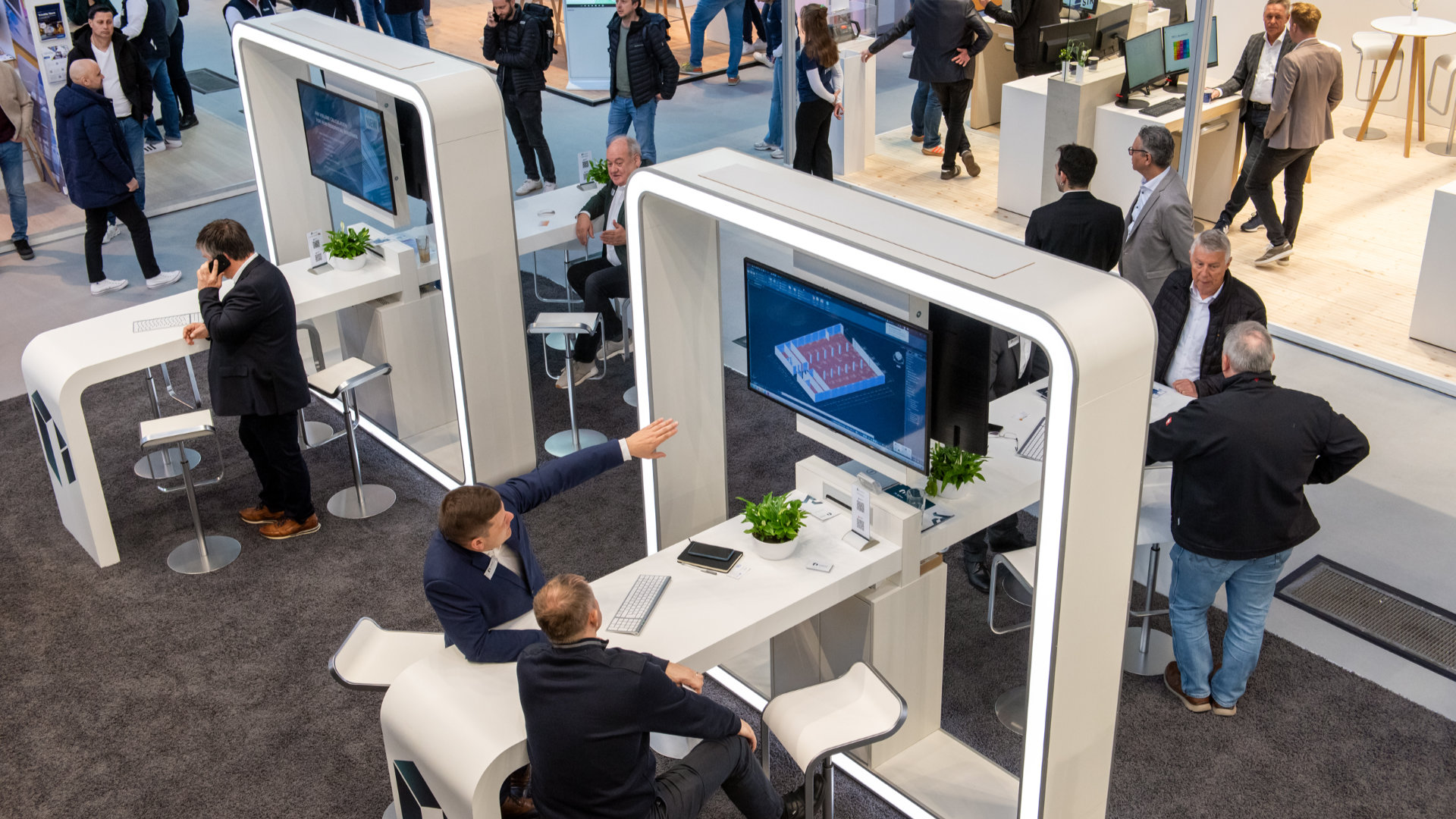
ISH
The next ISH, the world’s leading trade fair for HVAC and water, will take place from 15 to 19 March 2027 in Frankfurt am Main. www.ish.messefrankfurt.com
Discover the full expert article, “Smart hospital: building technology that protects patients”, as well as a wealth of additional insights and industry expertise, 24/7 on Building. Technology. Solutions. – your single destination for the latest trends. Explore fresh ideas and inspiration from the world of intelligent building technology.
Information and photographs for the press:
www.ish.messefrankfurt.com/press
Social media:
www.ish.messefrankfurt.com/facebook
www.ish.messefrankfurt.com/youtube
www.ish.messefrankfurt.com/linkedin
www.ish.messefrankfurt.com/instagram
Building. Technolgoy. Solutions. Linkedin

Background information on Messe Frankfurt
Sustainability at Messe Frankfurt